Fire Door Safety
Fire Safety in Flats
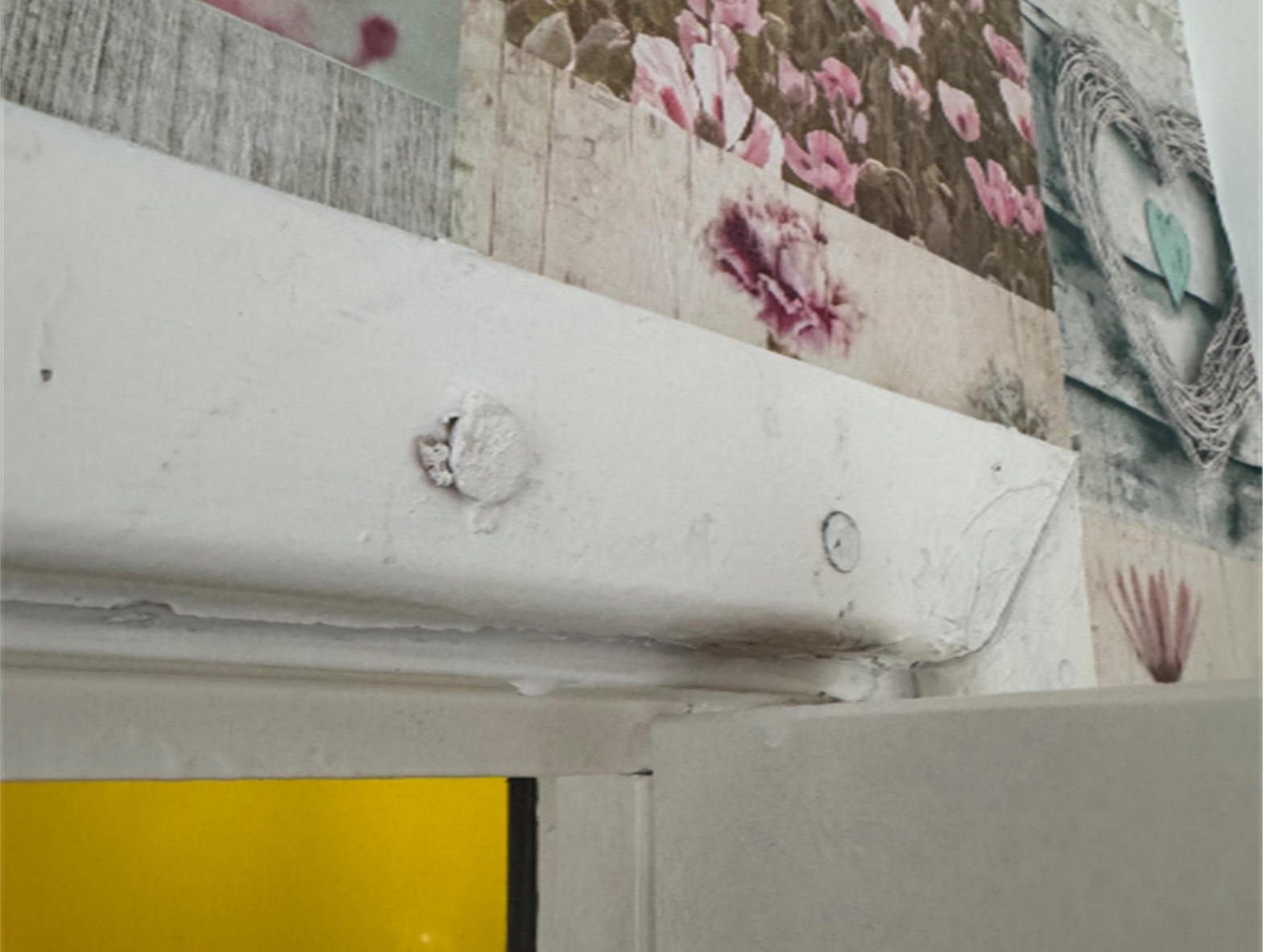
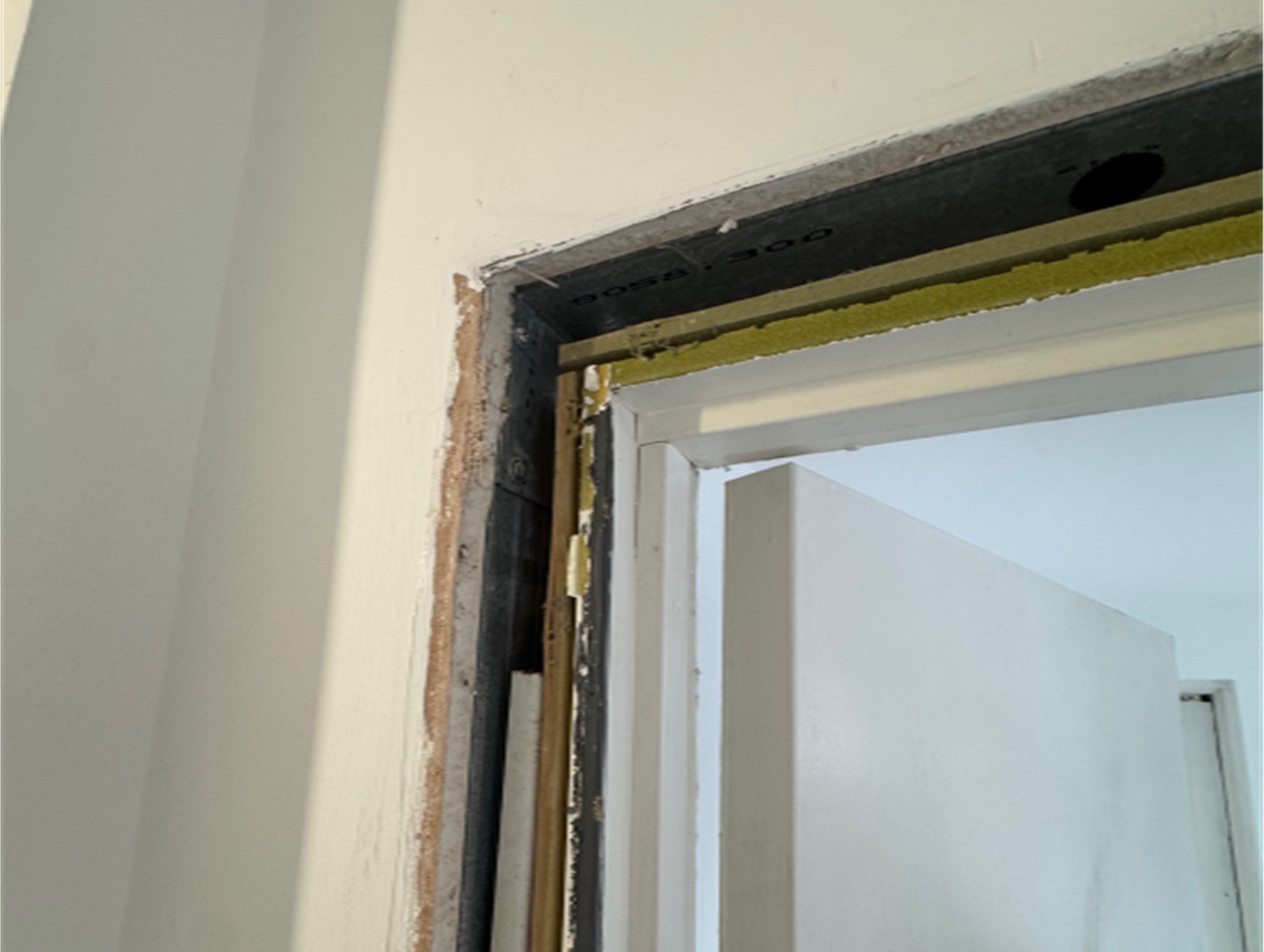
A normal fire inspection would pass this door, the reality is this door would allow smoke into the room within seconds
A passed safety inspection, yet behind the architrave is a
poor installation of a Fire Door, meaning if someone were trapped in this room,
they'd quickly be overcome with smoke.
Fire doors are one of the most critical yet often overlooked
safety features in residential flats. Designed to slow the spread of fire and
smoke, they provide occupants with vital time to escape and help protect
property and lives. However, their effectiveness depends entirely on correct
installation and maintenance—something that cannot be taken for granted.
During a recent inspection, we identified a serious issue: a
fire door that had not been properly fixed into its frame. At first glance, the
door appeared functional. It closed, it looked solid, and to an untrained eye,
it might have seemed perfectly adequate. But in reality, this installation
fault rendered the fire door ineffective and potentially dangerous.
A fire door is only as good as its weakest point. When
correctly installed, it forms a sealed barrier that can resist fire and smoke
for a specified period—typically 30 or 60 minutes. This delay is crucial,
allowing residents to evacuate safely and giving emergency services time to
respond. However, if the door is not securely fixed into its frame, gaps can
form, structural integrity is compromised, and the door may fail rapidly in the
event of a fire.
In the case we encountered, the lack of proper fixing meant
that the door could shift within the frame. Under fire conditions, where heat
causes materials to expand and warp, this instability could lead to the door
dislodging entirely. Instead of containing the fire, it would allow flames and
toxic smoke to spread quickly through communal areas such as corridors and
stairwells—places that are essential escape routes.
This highlights a broader issue within residential
buildings: compliance does not end at installation. Even if a fire door has
been certified and manufactured to the highest standards, poor workmanship or
lack of oversight during installation can completely undermine its purpose.
Furthermore, wear and tear over time—loose hinges, damaged seals, or
misalignment—can gradually reduce effectiveness if not regularly checked.
For landlords, property managers, and residents, this serves
as an important reminder of the need for vigilance. Regular fire door
inspections should be a standard part of building maintenance. These checks
should ensure that doors are properly aligned, securely fixed, self-closing
correctly, and free from damage. Any defects, no matter how minor they may
seem, should be addressed immediately.
Residents also have a role to play. Propping open fire
doors, altering them, or ignoring visible damage can all increase risk.
Awareness and cooperation are essential in maintaining a safe living
environment for everyone in the building.
Ultimately, fire doors are life-saving devices—but only when
they are correctly installed and maintained. The discovery of a door not fixed
into its frame is not just a minor defect; it is a critical safety failure that
could have severe consequences. By prioritising proper installation, routine
inspections, and ongoing awareness, we can ensure that these vital protections
perform as intended when they are needed most.